



Bridge Report:(2183)Linical the Fiscal Year ended March 2026

 Kazuhiro Hatano CEO | Linical Co., Ltd. (2183) |
 |
Company Information
Market | TSE Standard Market |
Industry | Service |
CEO | Kazuhiro Hatano |
HQ Address | Shin-Osaka Brick Building, 6-1 Miyahara 1-chome, Yodogawa-ku, Osaka, Japan |
Year-end | End of March |
HP |
Stock Information
Share Price | Number of shares issued (excluding treasury shares) | Total market cap | ROE Act. | Trading Unit | |
¥202 | 22,586,431shares | ¥4,562million | -59.3% | 100shares | |
DPS Est. | Dividend yield Est. | EPS Est. | PER Est. | BPS Act. | PBR Act. |
¥8.00 | 4.0% | ¥7.97 | 25.3x | ¥176.04 | 1.15x |
* Stock price is as of closing on June 30, 2026. These figures were taken from the brief report on financial results in the fiscal year ended March 2026. Number of shares issued is the term-end figure stated in the summary of financial results excluding treasury shares.
* BPS and ROE are based on FY 3/26 results. DPS and EPS are based on the company’s forecast for the fiscal year ending March 2027.
Consolidated Earnings Trend
Fiscal Year | Sales | Operating Income | Ordinary Income | Parent Net Income | EPS | DPS |
March 2023 Act. | 12,516 | 1,256 | 1,283 | 1,004 | 44.47 | 14.00 |
March 2024 Act. | 12,307 | 725 | 790 | 338 | 14.98 | 15.00 |
March 2025 Act. | 10,437 | -583 | -498 | -539 | -23.87 | 16.00 |
March 2026 Act. | 8,665 | -2,073 | -2,023 | -3,329 | -147.41 | 8.00 |
March 2027 Est. | 10,680 | 256 | 250 | 180 | 7.97 | 8.00 |
*Unit: Million yen.
*Estimates are those of the company.
This Bridge Report reviews on the overview of Linical Co., Ltd.’s earnings results for the fiscal year ended March 2026 and its forecast for the fiscal year ending March 2027.
Table of Contents
Key Points
1. Company Overview
2. Management Strategy
3. Fiscal Year ended March 2026 Earnings Results
4. Fiscal Year ending March 2027 Earnings Forecasts
5. Conclusions
<Reference:Regarding Corporate Governance>
Key Points
- In the fiscal year ended March 2026, sales fell 17.0% year on year, with an operating loss of 2,073 million yen (an operating loss of 583 million yen in the previous fiscal year). Sales fell significantly due to factors such as delays in the commencement of major projects in the U.S. and Europe. In terms of profit, the impact of the decline in sales in the U.S. and Europe was significant, resulting in an operating loss. Net loss attributable to owners of the parent company grew following the recognition of impairment losses on goodwill relating to the European business and on fixed assets relating to the Japanese business.
- For the fiscal year ending March 2027, they forecast a 23.2% year-on-year increase in sales and an operating income of 256 million yen (an operating loss of 2,073 million yen in the fiscal year ended March 2026). The company anticipates increased sales and profitability driven by the recovery in the U.S. and Europe, as well as growth in Asia. In the U.S. and European regions, work has resumed on some of the several projects whose commencement had been delayed due to factors such as the U.S. government shutdown; furthermore, the remaining projects and recently ordered projects are expected to commence operations one by one in the future.In addition, the company plans to pay an ordinary dividend of 8 yen per share, unchanged from the previous fiscal year.
- As of May 22, 2026, order backlog was 13 billion yen, up 10.9% from the end of the fiscal year ended March 2025. In the U.S., the company secured informal agreements for several large-scale international collaborative clinical trials covering the U.S., Europe and Australia. Order backlog increased from the end of the fiscal year ended March 2025 due to the signing of contracts for some of these projects, the completion of contract amendments resulting in increased man-hours, and the concluding of contracts for new projects to be conducted primarily in the U.S. In Europe, too, the figure increased from the end of the fiscal year ended March 2025, driven not only by contract amendments to existing projects and the recognition of the European portion of the large-scale international collaborative clinical trials secured in the U.S. (as mentioned above) for which contracts have been finalized, but also by the finalization of contracts for several new projects to be conducted mainly in Europe. Going forward, we would like to pay attention to how much the company can expand its order backlog, a leading indicator of business performance with a view to a full-scale recovery in performance during the second half of the fiscal year.
1. Company Overview
The company is a global contract research organization (CRO) based in Japan, which provides a comprehensive range of services ranging from the initial phase of clinical trials to post-marketing studies as a professional in development of pharmaceutical products. Linical Co., Ltd. provides contract research organization (CRO) services that support the drug development processes of pharmaceutical companies on an outsourced consignment basis, and sales and marketing functions for pharmaceutical products and post market launch clinical research and surveys on a consigned basis in the Contract Medical Affairs Business (CMA). In addition, the company offers meticulous services to meet the requests from clients and optimal solutions as a global CRO. They give full support with proposals for planning of early small-scale trials, late-stage trials, and applications for approval, which can be achieved because the scale is medium, and contribute to healthcare as a partner required for developing new treatment methods, including pharmaceutical products. In the past 5 years, they have dealt with over 600 clinical trials, the retention rate of clients exceeds 85%, and they registered cases for over 80% of trials. Then, they offer services in about 30 countries.
Linical has conducted various efforts to eradicate oncology, central nervous system and other diseases globally since its founding, and it has deployed its CRO Business in therapeutic areas where there is strong demand for new drug development. Linical is a leading company in the field of clinical trials for cancer treatment, and has a vast amount of experience in the field of central nervous system (CNS) diseases. In addition, since the inauguration of business, they have focused on immune system diseases, and have plenty of experience of Phases I to IV trials and profound knowledge of rare diseases and common diseases, and made clinical trials of clients successful. As an awarded CRO, the company possesses expertise for supporting a variety of therapeutic areas.
[Management philosophy]
The management philosophy is “Linical promotes the greater wellbeing of all our stakeholders—patients, clients and employees— we strive constantly to offer professional, high-quality services to support all aspects of new drug development.”

The blue color represents “Integrity&Honesty,”
the red color “Unending Enthusiasm,” and
the yellow color “Continuing Spirit of Inquiry.”
This corporate logo depicts the company’s hope of pursuing the wellbeing of patients around the world through business, and the company has the mission to “wings to new drugs.”
[Corporate History]
Linical Co., Ltd. was established in June 2005 by nine members who worked at Fujisawa Pharmaceutical Co., Ltd. (Currently known as Astellas Pharma Inc.) on the development of immunosuppressant drugs. Established with the objective of becoming the ideal drug development outsourcing (CRO) company from Osaka, Linical focused its efforts upon the realms of central nervous system diseases (CNS) and oncology since its founding, and received one of its first orders from Otsuka Pharmaceutical Company shortly after its establishment. Thereafter, the Company fortified its staffing as part of its efforts to strengthen its order taking capabilities. In addition, Linical is benefitting from the bountiful experiences of its employees in the realm of oncology pharmaceutical product development and experiences having worked at foreign pharmaceutical companies. Consequently, Linical is successfully expanding orders in the near term.
With its advance into the site management organization (SMO, clinical trial facility support organization) business, Aurora Ltd. was turned into a subsidiary in January 2006. However, all shares held in Aurora were later sold in May 2007 in order to focus management resources upon the CRO Business. In July 2008, Linical USA, Inc. was established in California, United States to provide support to Japanese pharmaceutical companies seeking to enter the United States market. Also, in October of the same year, Linical listed its shares on the Mothers Market of the Tokyo Stock Exchange, and subsequently moved its listing to the First Section of the Tokyo Stock Exchange in March 2013. In May 2013, Linical Taiwan Co., Ltd. and Linical Korea Co., Ltd. were established in Taiwan and Korea respectively. In April 2014, Linical teamed up with its Linical Korea to acquire the Korean CRO company P-pro. Korea Co., Ltd. On October 29, 2014, all of the shares of Nuvisan CDD Holding GmbH, which conducts CRO Business in Europe, were acquired and it was converted to a 100% owned subsidiary effective on December 1, 2014. In order to strengthen the collaboration within the Group, the company name of Nuvisan CDD was changed to Linical Europe GmbH. In addition, Linical U.K. Ltd. was established in March 2016, and a local subsidiary called Linical Poland SP. Z.O.O. was also established in October of the same year. Moreover, LINICAL Czech Republic s.r.o was established in September 2017. In addition, Accelovance, Inc. was acquired in April 2018 and its company name was changed to Linical Accelovance America, Inc. In addition, Linical Hungary Kft. was established in March 2019, and Linical China Co., Ltd. was established in May 2019. Furthermore, the company further strengthened their system for undertaking global joint clinical trials, through the enhancement of their business in the European region by integrating the European subsidiary of Linical Accelovance America, Inc. (LAA) into LINICAL Europe GmbH in December 2019, and the establishment of a Shanghai branch in February 2020. In April 2020, Linical Benelux BV and Linical Accelovance Europe BV were merged to form Linical Netherlands BV, and Linical China Co., Ltd. and Linical Accelovance China Ltd. are scheduled to be integrated in the fiscal year ending March 2023. The company grew steadily through overseas mergers and acquisitions, and achieved record sales consecutively in fiscal year ended March 2022 and fiscal year ended March 2023. In the fiscal year ended March 2024, profit declined due to the decrease in sales in Japan and Europe, and in the fiscal year ending March 2025, too, sales and profit declined due to the drop in sales in Japan and other Asian countries. Furthermore, in the fiscal year ended March 2026, sales fell significantly and operating loss increased due to factors such as delays in the commencement of large-scale projects in the U.S. and Europe.
[International Certification]
All business establishments of the Linical Group obtained the certification of the international standard ISO/IEC 27001 regarding an information security management system (ISMS).

(Source: Linical)
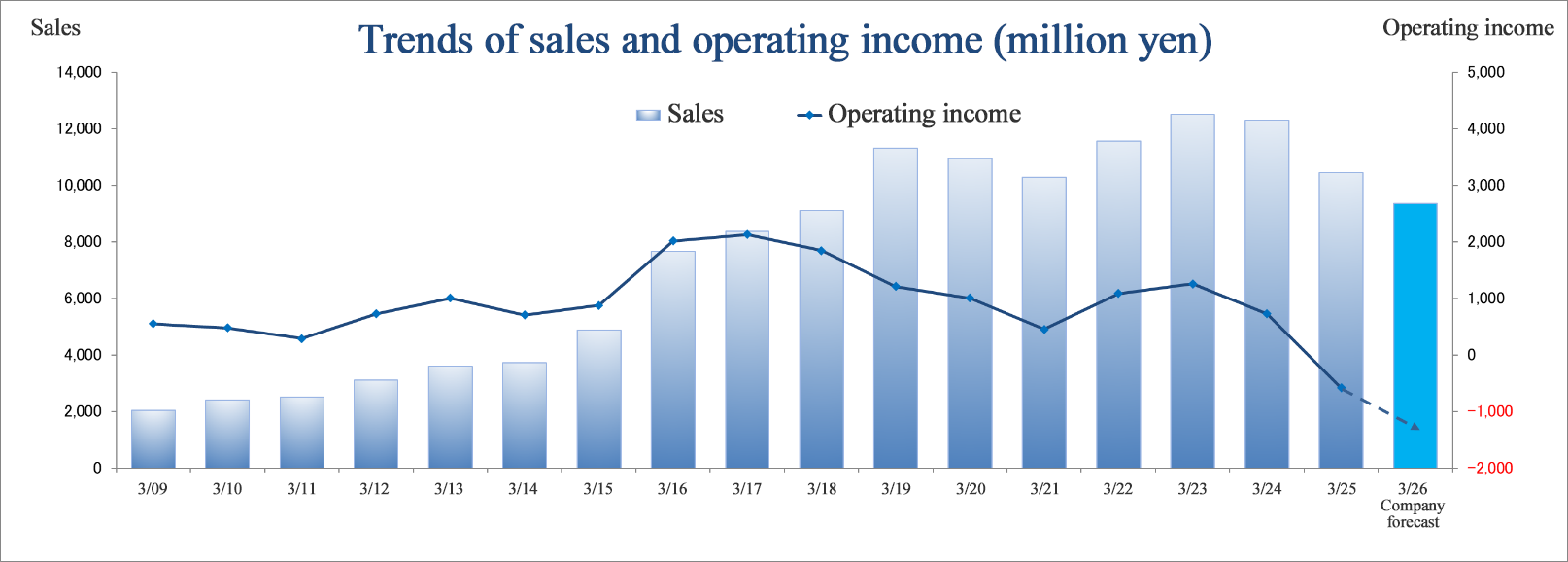
Produced by Investment Bridge Co., Ltd. with reference to disclosed material.
Mainly the overseas business is growing after the overseas M&A in South Korea, Europe, and the U.S.
[Strengths]
Global one-stop full services |
They have established an international development system, to offer services in Europe, the U.S., and Asia, mainly Japan. They offer comprehensive services, including the planning of development of pharmaceutical products, monitoring, pharmaceutical affairs, and data management, in a one-stop manner. |
To create, develop, and improve medicines thoroughly |
They deal with all processes, including the development of new medicines and lifecycle management after approval, as professionals in development of pharmaceutical products. |
A track record of conducting highly difficult tests |
They concentrate on the fields of cancer, the central nervous system, immunological diseases, etc. in which unmet medical needs are significant and clinical trials are very difficult, and have plentiful experiences. Currently, they are expanding their business in the fields of regenerative medicine, ophthalmology, dermatology, etc. |
[Business Description]
As a global CRO founded in Japan, the company operates primarily in Japan, and also in Asia, Europe and the U.S, providing a comprehensive range of services ranging from the drug discovery stage to clinical development to post-marketing drug development. The company has extensive experience and achievements in the trending areas of drug development, notably in oncology, neurology , and immunology.
A CRO is an organization that receives requests from pharmaceutical companies and others to act on their behalf and provide support for clinical trials conducted during the development phase of a pharmaceutical product. It is an organization with high expertise in clinical trials and is a professional in the field of drug development. The scope of work includes monitoring activities to ensure that clinical trials are conducted in compliance with regulatory requirements and the clinical trial protocol, including data management and medical writing activities.
Linical mainly conducts contract research organization (CRO) business, post market launches clinical trial and clinical research and marketing support activities in the Contract Medical Affairs Business, and new drug development support business. As a true partner, the company contributes to the maximization of the value of the medical drugs by helping the procedure from the non-clinical tests to clinical development and after-release surveys and clinical trial, and making it possible to shorten the time needed to start selling the drugs and prolong the life-cycle of the products. On top of that, the company supports not only pharmaceutical companies but also the bio-ventures in various ways including exit strategies.
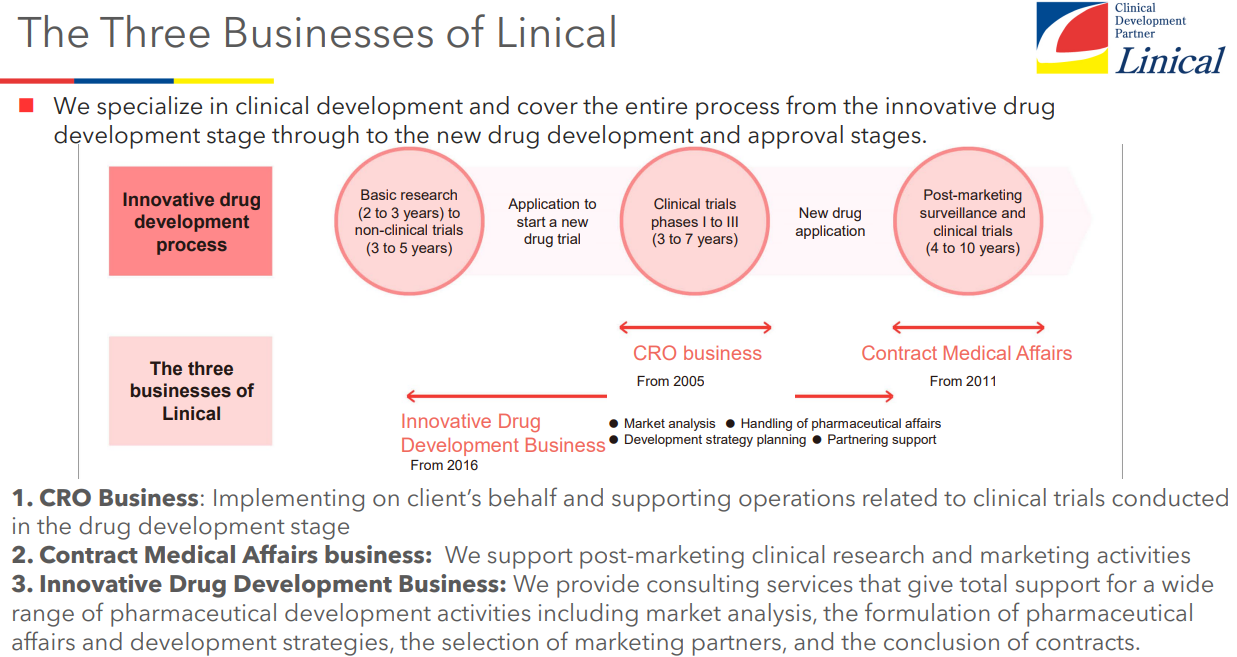
(Source: Linical)
CRO Business (Contract Research Organization)
A clinical trial is a study conducted to evaluate the efficacy and safety of a new drug candidate in humans, with the aim of obtaining authorization as a pharmaceutical product from regulatory authorities such as the Ministry of Health, Labour and Welfare in Japan and other countries; it is an essential process in pharmaceutical development. These trials are conducted at medical institutions with healthy volunteers or patients as participants. The sponsor (pharmaceutical company, etc.) is legally obliged to ensure (monitor) that clinical trials are being conducted ethically and scientifically at medical institutions in accordance with the Act on Securing the Quality, Efficacy and Safety of Pharmaceuticals, Medical Devices and Other Products (Pharmaceuticals and Medical Devices Act) and GCP (Note 1), among other laws and regulations.
Clinical trial operations includes monitoring, which is the core activity, associated quality control services, data management tasks, such as designing databases for case reports (Note 2) and cleaning entered data, which record efficacy and safety data for cases in which the investigational drugs have been administered; statistical analysis tasks, which involve the statistical and scientific verification of the efficacy and safety of the investigational medicinal product; medical writing, which involves drafting the clinical trial protocol (Note 3) and documents required for notifications and applications to regulatory authorities; auditing, which involves investigating the conduct of clinical trials to ensure the reliability of trial data; and pharmacovigilance, which involves the collection, evaluation, analysis and reporting of safety information such as adverse events; and many other tasks. The sponsor may outsource some or all of these tasks to a CRO, taking into account the availability of its own personnel and other resources.
In particular, monitoring is a key aspect of clinical trials. The CRA (Note 4), who acts as a monitoring officer, is responsible for assessing the suitability of healthcare institutions to conduct clinical trials, requesting healthcare institutions to participate in trials, handling the procedures for concluding contracts regarding the conduct of clinical trials in accordance with legislation (tripartite contracts between a sponsor, such as a pharmaceutical company, a healthcare institution and a CRO), explaining the Investigational Medicinal Product Summary (Note 5) and the clinical trial protocol to the principal investigator and others, delivering investigational medicinal products to healthcare institutions; verifying compliance with legislation and the clinical trial protocol during trial conduct; managing and facilitating the progress of clinical trials; verifying clinical trial data and collecting case reports; and retrieving investigational medicinal products. The Group undertakes contracts centered on monitoring activities in clinical trials, as well as associated services such as quality control, data management, statistical analysis, medical writing and pharmacovigilance.
Contract Medical Affairs Business
While the CRO Business undertakes medicine development, the Contract Medical Affairs Business undertakes support services following the launch (manufacture and sale) of medicines. Even after a drug's launch, data on its safety and efficacy continue to be collected; this is provided to healthcare settings as information on appropriate use and evidence, thereby promoting its widespread adoption. On April 1, 2018, the Clinical Research Act, which sets out the procedures and other requirements for clinical research, came into force with the aim of contributing to the improvement of public health by ensuring the reliability of clinical research and promoting its implementation; this has made it necessary to take appropriate measures in accordance with the legal regulations.
The Group’s Contract Medical Affairs Business utilizes the expertise gained from its CRO Business to differentiate itself from competitors by undertaking the establishment of organizational structures for company- and investigator-initiated clinical trials, which require a higher level of specialization, as well as post-marketing planning, monitoring and auditing services.
Innovative Drug Development Business
In recent years, bioventure companies both in Japan and overseas have become the sources of many new drug candidates, and the company operates Innovative Drug Development Business to assist these firms in their drug development efforts. In the corporate group, individuals who have worked in roles such as licensing, business development, clinical development, regulatory affairs and marketing at major domestic pharmaceutical companies and possess a strong track record and extensive experience in areas ranging from the evaluation of development candidates to in-licensing and out-licensing negotiations, as well as clinical development take the initiative in providing consultancy services including market analysis and research for development candidates, the formulation of development and regulatory strategies, regulatory compliance, and support for partnering and licensing.
(Note 1) GCP (Good Clinical Practice) is a comprehensive concept referring, in plain terms, to the proper conduct of clinical trials. In Japan, it refers to the Ministry of Health, Labour and Welfare Ordinances setting out these standards—namely, the Ministerial Ordinance on Good Clinical Practice for Clinical Trials of Drugs and the Ministerial Ordinance on Good Clinical Practice for Clinical Trials of Medical Devices (March 27, 1997) and their related operational guidelines.
(Note 2) A case report refers to a report (including electronic records) prepared for each participant to record all the information specified in the clinical trial protocol.
(Note 3) A clinical trial protocol, also known simply as a protocol, is a comprehensive document prepared by the sponsor (the pharmaceutical company) that sets out the requirements to be observed by the medical institution conducting the trial, the pharmaceutical company requesting the trial, and other parties involved in the trial.
(Note 4) A CRA (Clinical Research Associate) is known as a clinical development monitor. This term refers to a person responsible for monitoring whether clinical trials conducted during the drug development phase are being carried out in compliance with the Pharmaceutical and Medical Devices Act, other applicable laws and regulations, and the clinical trial protocol.
(Note 5) An investigator's brochure is a document prepared to provide the knowledge necessary for the management of trial subjects during the course of a clinical trial; its content comprises a compilation of the results of non-clinical studies and clinical trials relating to the investigational drug.
[Services]
Strategy for drug development
Protocol Development and Study Design | The company has a track record in protocol development and study design, resulting in numerous successful clinical developments. It formulates a plan according to the project's needs and develop a roadmap for high-quality, efficient testing while mitigating risks. |
Regulatory Consulting | The company is an expert in global drug development and provides world-class consulting services in pharmaceutical affairs. It proposes the most appropriate strategies and assists in the most cost-effective and fastest response in the pharmaceutical process. |
Regulatory Affairs | The pharmaceutical affairs team at the company has extensive expertise and experience in supporting early to late-phase clinical development. Furthermore, they understand both regulatory and clinical affairs and provide comprehensive support for drug and medical device development, including regulatory application strategies, support for meetings with regulatory authorities, as well as coordination during the initiation of clinical trials. The company has extensive experience working with clients in the U.S, Europe, and Asia. |
Quality Assurance | The company places the highest emphasis on quality. It offers services worldwide, from developing SOP to QA consulting to auditing. |
Medical Writing | Medical writing is essential for clear communication and consistency in the preparation of documents related to clinical trials, as well as to ensure the safety of subjects and deal with regulatory reviews. The company aims to provide additional value through high-quality medical writing by utilizing its high level of expertise to meet the client's requirements. |
Clinical trials
Feasibility and Study Set-up | To conduct feasibility studies and select medical facilities to initiate clinical trials more swiftly. With a practical and strategic approach based on extensive field experience, the company works closely with clients to understand their objectives, propose innovative solutions, and initiate clinical trials to ensure prompt completion of incorporation. |
Project Management | The experienced project team of the company works as a partner with clients, assisting them until the completion to ensure that the trials are on schedule, within a budget, and obtain data of the expected quality. Furthermore, the company accompanies clients on projects to ensure that their needs are satisfied, responding quickly to their requests while leveraging its previous experience. |
Pharmacovigilance | The pharmacovigilance of the company is a global team of experts. They provide rapid and accurate support to clients in responding to safety information. |
Clinical Monitoring | Monitoring is essential for protecting the human rights and safety of subjects as well as ensuring regulatory compliance, data quality, and the integrity of clinical trial results. Since its establishment, the company has specifically dedicated itself to monitoring and is renowned for its quality among its clients. |
Data Management and Biostatistics | The data management and biostatistics of the company are aimed at providing both deep insights and efficiency at every stage of the process. The professionals of the company perform everything ranging from consulting to full-service data management to statistical design. |
Patient Recruitment | Finding suitable subjects for clinical trials is not easy, and the inclusion of cases is the major factor in the success or failure of a clinical trial, which can lead to significant delays in the trials and losses. It is essential for the success of a clinical trial that the recruitment plan for subjects is carefully considered. |
Training | The CRA training offered by the company provides more practical training, with lectures given by skilled professionals and clinical trial managers (CTMs) from clinical sites, enabling trainees to become excellent clinical development monitors with exceptional monitoring skills. |
[Therapeutic Expertise]
Oncology |
As a CRO with strong expertise in the field of cancer, the company has contributed to the development of many new drugs. The oncological field typically involves serious cases, so it requires careful yet prompt responses with a focus on safety information reporting. The company has conducted numerous Phase I to IV clinical trials globally in the oncological field, with extensive track records on solid tumors, blood cancers, and rare cancers. By consistently assigning experienced managers and clinical research associates (CRAs) and delivering high-quality work, the company has secured repeat orders. |
Field of the Central Nervous System |
The company is a CRO with an extensive track record, possessing a specialized division dedicated to handling clinical trials in the challenging central nervous system (CNS) field. Within the company's Central Nervous System Division, leaders and clinical research associates (CRAs) with broad knowledge and deep understanding of neurological and psychiatric disorders are developed to conduct clinical trials in the central nervous system field, to cure neurodegenerative diseases such as dementia and Parkinson's disease, various neuromuscular disorders involving motor dysfunction, and a range of psychiatric disorders, including depression, sleep disorders, and schizophrenia. |
Immunology and Vaccines |
Since its establishment, the company has accumulated extensive experience and expertise in immunology and vaccine trials, including substantial experience in Phase I through Phase IV clinical trials in the immunological field. To deliver clients' new drugs to patients as quickly as possible, the company rigorously manages trial schedules and budgets, consistently providing efficient, high-quality services. It has a proven track record across a wide range of diseases, including autoimmune disorders, respiratory and pulmonary disorders, allergic disorders, prophylactic vaccines, therapeutic vaccines, outbreaks, and epidemics. |
Endocrinologic and metabolic fields |
The area of metabolic disorders is growing in the field of clinical trials, with a high demand for developing novel therapies, yet there are many challenges including patient recruitment and efficiency. To address this, trials in this field require attentive CRO partners well-versed in regulatory strategy and safety management. The company possesses global regulatory expertise and operational capabilities, and can provide collaborative project teams. It delivers tailored solutions to accelerate the start of trials, mitigate risks, and provide high-quality data. Furthermore, the company gives the highest priority to “Patients First.” |
Other therapeutic areas |
The company supports various other therapeutic areas, including rare diseases, pediatrics, and biosimilars. It possesses expertise to provide solutions for the complex challenges in pediatric clinical development. Furthermore, it contributes to advancing promising treatments for rare diseases worldwide. Additionally, the company fully leverages its accumulated clinical development expertise and experience to support biosimilar development. |
[Global expansion]
The company is a global CRO based in Japan, with a focus on Japan, it is operating its offices around the world, including Asia, Europe and the U.S. The company currently has employees in about 20 countries/regions. The company is providing services in about 30 countries including affiliated partners. Experts in each function, who are familiar with local regulations and customs, work together globally to provide detailed services customized to each and every project.
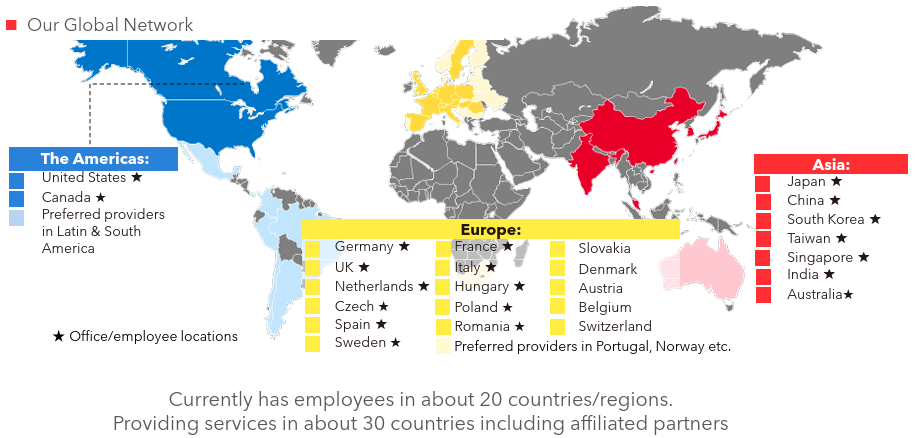
(Source: Linical)
(Source: Linical)
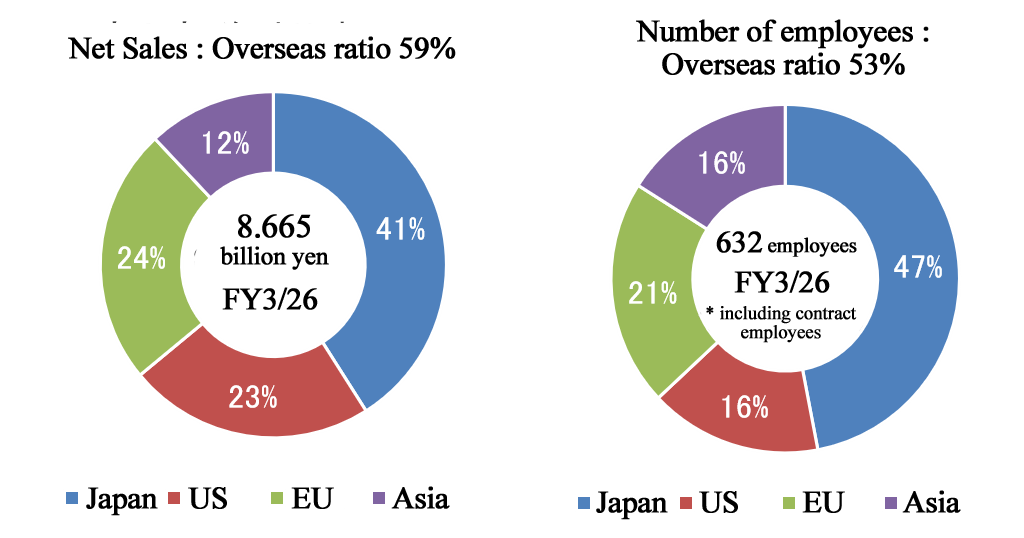
In the fiscal year ended March 2026, the overseas ratio was 59% for sales and 53% for the number of employees.
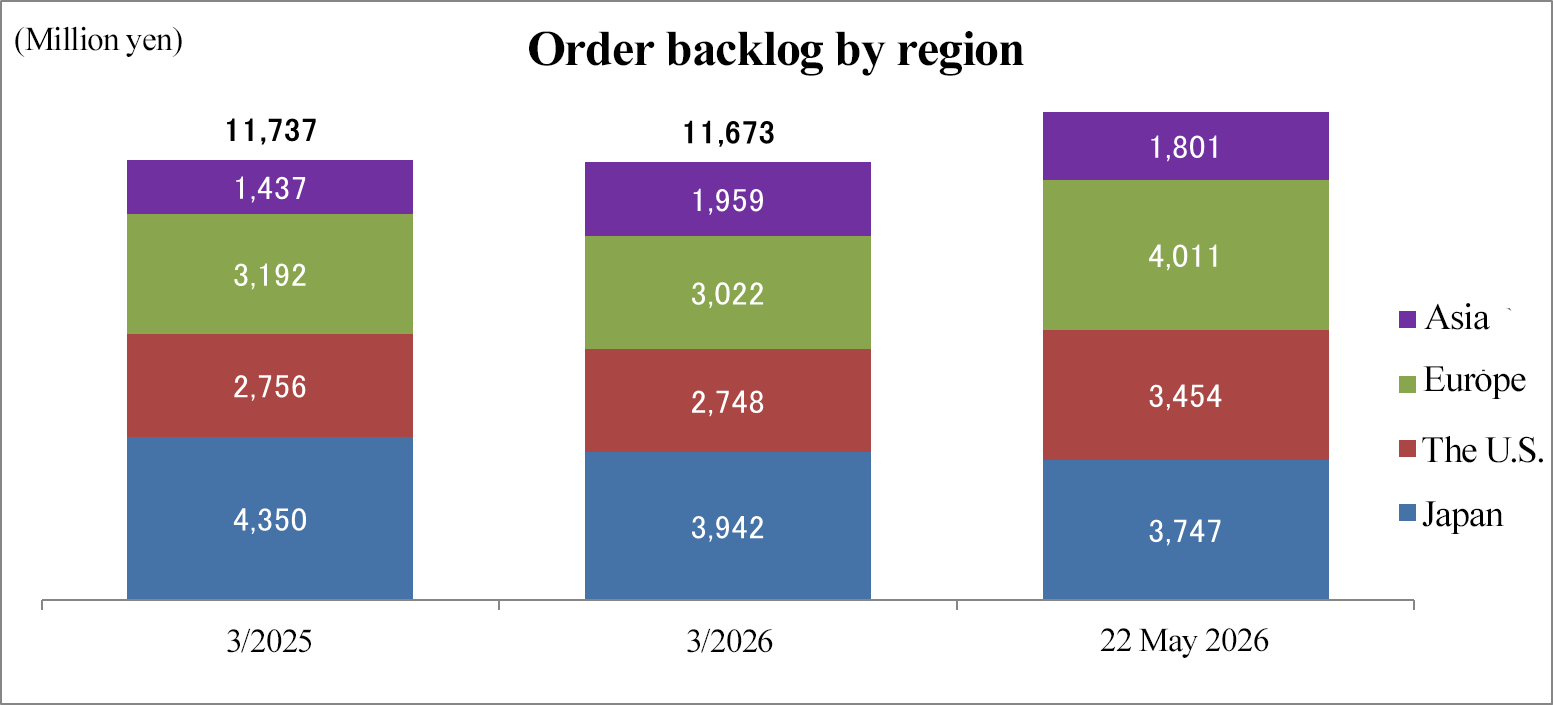
[Order backlog by region]
*Produced by Investment Bridge Co., Ltd. with reference to disclosed material.
The total price of clinical trials and studies after the release of new medicines undertaken by the CRO Business division of the Linical Group is determined by their difficulty levels, which depend on the number of cases and target diseases in the clinical trial period spanning 1 to 3 years. In the trial period, they conclude an outsourcing contract with a client and earn sales in accordance with the contract. Order backlog refers to the balance of the amount of orders received for undertaking of tasks for which contracts have been already concluded. It shows sales that will be earned in the next one to five years and is an indicator that serves as the basis for the corporate group's future earnings forecasts.
As of May 22, 2026, order backlog was 13 billion yen, up 10.9% from the end of the fiscal year ended March 2025.
In Japan and other Asian countries, the order backlog in Japan decreased from the end of the fiscal year ended March 2025, while that in other Asian countries increased due to the acquisition of several new orders. There has been an increasing trend in securing international collaborative clinical trial projects from European and North American biotech companies, covering Japan and Asia, as well as pharmaceutical and biotech projects from Japan and Asia aiming to enter the North American market either via Australia or directly.
In the U.S., order backlog increased from the end of the fiscal year ended March 2025, driven by the informal acceptance of orders for several large-scale international collaborative clinical trials involving the U.S., Europe and Australia; alongside the finalization of contracts for some of these projects and the completion of contract amendments involving increased man-hours; and the finalization of contracts for new projects to be conducted primarily in the U.S.
They receive many inquiries for new projects, including global projects, and the company will continue to strengthen its sales and proposal activities to secure new orders.
In Europe, sales increased from the end of the fiscal year ended March 2025, mainly due to the completion of contracts for several new projects to be carried out primarily in Europe, in addition to an increase resulting from contract amendments to existing projects and the recognition of the portion of the large-scale international collaborative clinical trial secured by the U.S. mentioned above for which the European contract has been finalized. The company will expand the acquisition of projects, including those in Europe, from U.S. companies through collaboration with them, while strengthening its sales activities in Europe.
2. Management Strategy
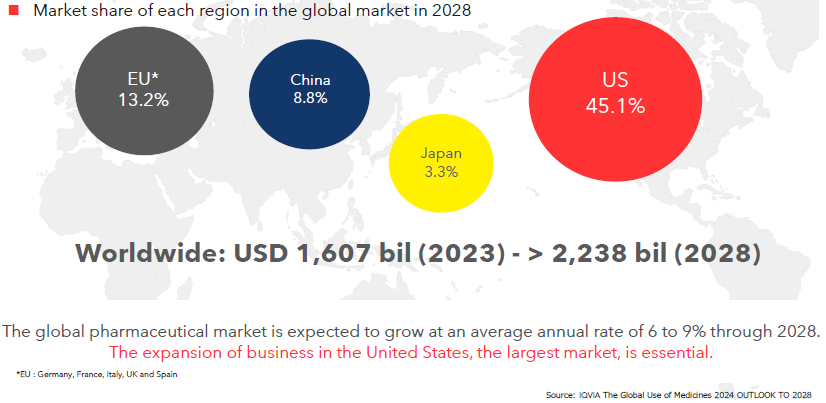
[Global Pharmaceutical Market Size in 2028 (Forecast)]
(Source: Linical)
By 2028, the global pharmaceutical market is expected to grow at an average annual rate of 6–9 percent, with the global market size projected to exceed 2.2 trillion US dollars.
Against this backdrop, expanding business operations in the United States, the largest market, is essential.
[Strategy for Biopharmaceutical Companies]
Biopharmaceutical Companies’ Needs for CROs | Linical’s Solutions |
They wish to seek support from a CRO with extensive experience and expertise, while requiring flexible services tailored to their own scale and specific needs. | Linical differentiates itself from major global CROs by combining global, one-stop CRO services with detailed solution proposals tailored to specific needs |
They wish to enter the Japanese pharmaceutical market and distribute and sell their own products in Japan. Insufficient knowledge of the Japanese market and regulatory affairs Lack of adequate development and sales capabilities Alternatively, a need for a strategic partner or licensee. | Package rollout starting with the Innovative Drug Development Business |
[Advances in Biopharmaceutical Modalities]
2005 onward | 2010 onward | 2015 onward | 2020 onward |
Humanized monoclonal antibodies | Immune checkpoint | Antibody-drug conjugates and bispecific antibodies | Gene therapy vectors |
Homogeneous antibodies produced from mammalian cells that have sequences enabling them to bind to a single target and, overall, possess amino acid sequences homologous to human immunoglobulins. | A therapeutic approach that reactivates the immune response against cancer cells by specifically inhibiting immune checkpoint molecules involved in the molecular mechanisms by which cancer cells suppress attacks by immune cells | Antibody-drug conjugates (ADCs): Antibody-drug conjugates in which a drug is conjugated to an antibody to deliver the drug precisely to target cells. Bispecific antibodies: Antibodies modified using antibody-engineering technologies so that a single antibody can bind specifically to two different molecules simultaneously. | To achieve cures for genetic diseases and enable cancer vaccine therapies, therapeutic genes must be delivered into cells at the affected site so that the targeted proteins can be expressed. Viral vectors are a core technology in gene therapy, serving as carriers that enable efficient delivery of therapeutic genes. |
Examples of applications: Rheumatoid arthritis, ulcerative colitis, hepatitis C, etc. | Examples of applications: Lung cancer, skin cancer, kidney cancer, etc. | Examples of applications: Alzheimer’s disease | Examples of applications: Epidermolysis bullosa (herpes vector), diabetes |
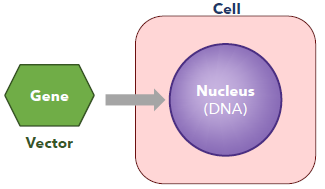
[What are gene therapy vectors?]
Nucleic acid (primarily DNA) molecules used to transport foreign genetic material into other cells.
Mechanism and Mode of Action | Classification |
• Therapeutic genes are loaded onto a “carrier” (vector), such as an inactivated virus and delivered into the patient’s cells. • The genes function inside the cells to supplement deficient proteins or correct genetic mutations. | • Viral vectors: A gene delivery method that utilizes the mechanism by which viruses infect cells. • Non-viral vectors: A method of gene delivery that utilises circular DNA, such as plasmid DNA. |
(Source: Linical)
Classification | Vector | Characteristics | Main Target Diseases |
Non-viral | Plasmid (circular DNA) | • Simple structure and high safety profile • Low cost | • DNA vaccines • Cancer immunotherapy |
Virus | HSV (Herpes Simplex Virus) | • Capable of carrying large genes • Broad cell tropism (e.g., skin and nerve cells) | • Skin diseases • Ophthalmic diseases |
Virus | AdV (Adenovirus) | • High gene transduction efficiency • Limited maximum gene size that can be carried | • Cancer (oncolytic viruses) |
Virus | AAV (Adeno-Associated Virus) | • Infects humans but has low pathogenicity and is highly safe • Depending on the serotype (capsid structure), organ specificity and long-term expression (in nerves, muscles, etc) can be expected • Clinical experience has been accumulated | • Genetic diseases • Neurological diseases (e.g., Parkinson’s disease) |
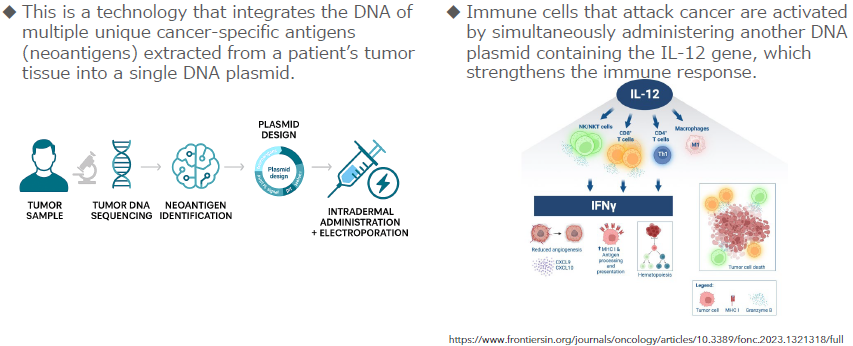
Case 1. Cancer Vaccines Using Plasmids
<Technology: Personalized immunotherapy against cancer using DNA>
(Source: Linical)
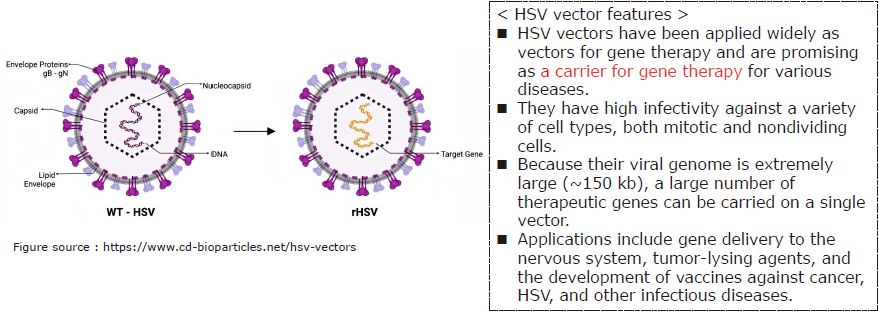
Case 2. Potential custome Gene delivery drugs
<Design and manufacture HSV-based vectors* using a viral vector system as the gene delivery platform>
(Source: Linical)
3. Fiscal Year ended March 2026 Earnings Results
(1) Consolidated results
| FY3/25 | Ratio to sales | FY3/26 | Ratio to sales | YoY | ||||
Sales | 10,437 | 100.0% | 8,665 | 100.0% | -17.0% | ||||
Gross profit | 2,375 | 22.8% | 1,123 | 13.0% | -52.7% | ||||
SG&A | 2,959 | 28.4% | 3,197 | 36.9% | +8.0% | ||||
Operating income | -583 | -5.6% | -2,073 | -23.9% | - | ||||
Ordinary income | -498 | -4.8% | -2,023 | -23.3% | - | ||||
Profit attributable to owners of parent | -539 | -5.2% | -3,329 | -38.4% | - | ||||
*Unit: million yen
*The figures include figures calculated by Investment Bridge Co., Ltd., and may differ from actual figures. (Abbreviated hereafter)
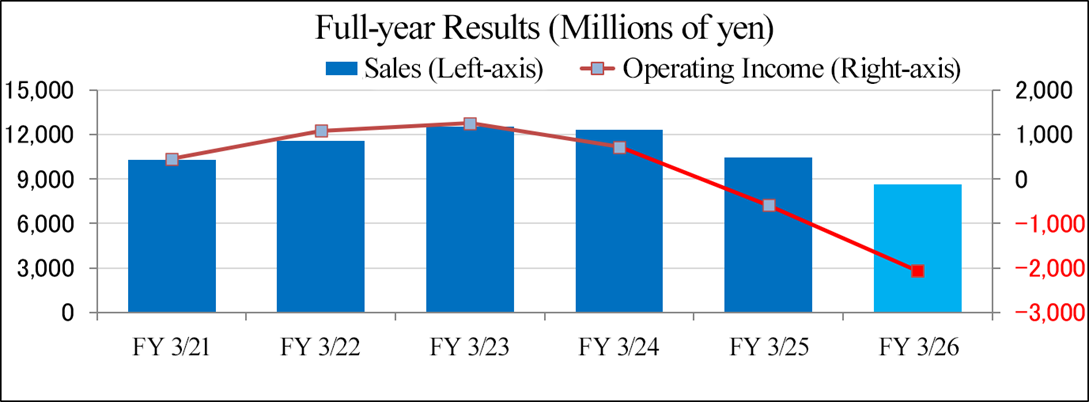
17.0% year-on-year decline in sales and an operating loss of 2,073 million yen
For the fiscal year ended March 2026, sales decreased 17.0% year on year to 8,665 million yen, with an operating loss of 2,073 million yen (an operating loss of 583 million yen in the previous fiscal year). In terms of sales, there was a significant decline due to factors such as delays in the commencement of major projects in the U.S. and Europe. In terms of profit, the impact of the decline in sales in the U.S. and Europe was significant, resulting in an operating loss.
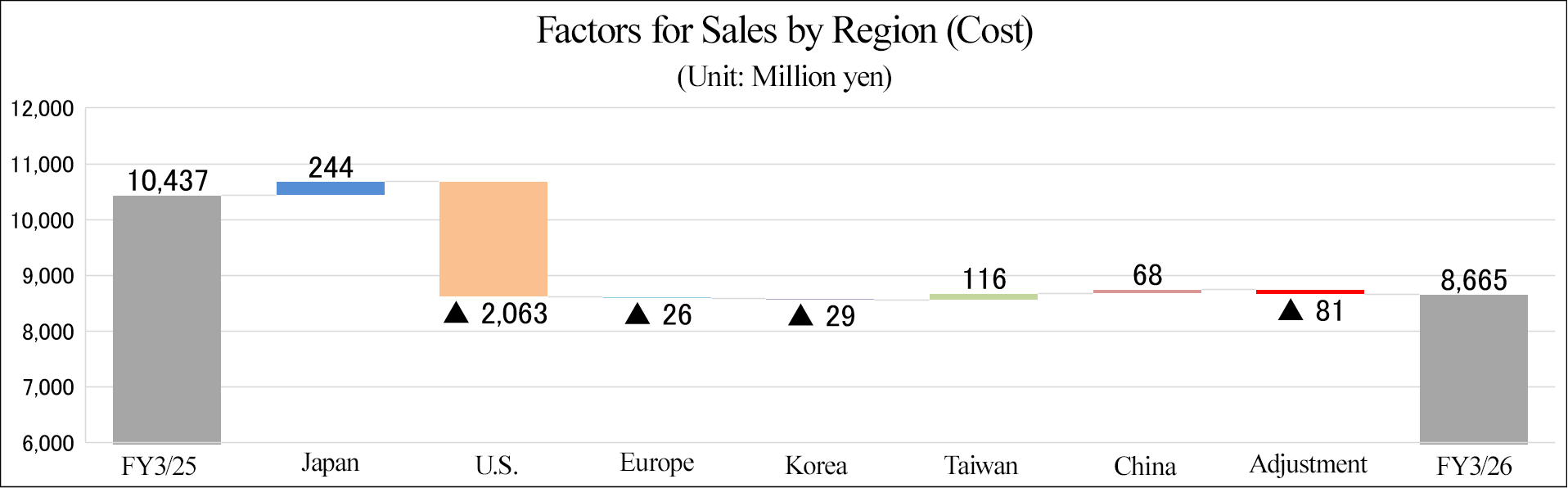
In Japan, sales increased and operating loss decreased. Sales increased as a result of securing multiple contracts from domestic and international pharmaceutical companies. Despite the challenging market environment characterized by persistent unavailability of some medicines in Japan, sales were secured through collaborative sales activities with subsidiaries in Europe, the U.S. and Asia, which contributed to sales for the current period. In the U.S., sales declined and the company recorded an operating loss. Although the company was awarded a large-scale international collaborative clinical trial, its commencement was delayed due to factors such as the U.S. government shutdown, and it therefore made no contribution to sales. Furthermore, despite cost reductions achieved through expense management, the impact of the decline in sales was significant, resulting in an operating loss. In Europe, sales declined and operating loss increased. Sales decreased due to delays in the international collaborative clinical trial secured in the U.S.; in addition to the decline in sales, an increase in outsourcing costs to other sites led to a larger operating loss.
Gross profit margin decreased 9.8 points year on year to 13.0%. Selling, general and administrative expenses increased 8.0% year on year. Furthermore, although a foreign exchange loss of 42 million yen was incurred, ordinary loss amounted to 2,023 million yen—a smaller loss than the operating loss—primarily due to the recognition of a 69 million yen gain on the valuation of investment securities. Furthermore, following the recognition of impairment losses on goodwill relating to the European operations and on fixed assets relating to the Japanese operations, as well as the write-down of deferred tax assets, the net loss attributable to owners of the parent amounted to 3,329 million yen (a net loss of 539 million yen in the previous fiscal year).
Changes in Segments to be Reported
The corporate group had previously reported two segments: CRO and Contract Medical Affairs Business. However, in the first quarter of this year, they switched to a single-segment reporting structure with the CRO Business. This change was made following an organizational restructuring implemented in April 2025 and the results of a review of the segments from the perspectives of management resource allocation by the Board of Directors and performance evaluation. It was determined that adopting a single CRO segment would more appropriately reflect the corporate group's decision-making process.
(2) Performance trend in each region
| FY 3/25 | FY 3/26 | ||||
Sales | Operating income | Sales | Increase/ decrease rate | Operating income | Increase/ decrease rate | |
Japan | 3,676 | -585 | 3,921 | +244 | -455 | +130 |
U.S. | 4,789 | 625 | 2,726 | -2,063 | -632 | -1,257 |
Europe | 3,089 | -37 | 3,062 | -26 | -604 | -566 |
Korea | 751 | -79 | 721 | -29 | -57 | +22 |
Taiwan | 84 | -39 | 201 | +116 | 23 | +62 |
China | 188 | -22 | 257 | +68 | 52 | +74 |
Adjustment | -2,142 | -445 | -2,223 | -81 | -401 | +44 |
Total | 10,437 | -583 | 8,665 | -1,771 | -2,073 | -1,489 |
*Unit: million yen
*Amortization of goodwill is recorded as an adjustment. “Sales” means the value before exclusion of internal transactions.
[Japan]
In Japan, sales decreased significantly in the previous fiscal year due to the impact on the cancellation and contract revisions involving shortened durations of several large-scale existing projects. In this fiscal year, the company has received orders for multiple large-scale projects from domestic and international pharmaceutical companies in Japan, resulting in a year-on-year sales growth, while operating loss has narrowed. Although Japan continues to face a challenging market environment due to the serious social issue of unavailability of some medicines in Japan, the company is securing orders by maintaining domestic and international sales activities in collaboration with its European, American, and Asian business sections. It will continue striving to improve performance by implementing measures to enhance employee utilization rates and strictly managing expenses.
[Korea]
In South Korea, several projects were suspended for reasons attributable to clients, so sales declined from the previous fiscal year. However, operating loss was reduced by controlling incurred costs. The company will continue working with other bases, including those in Japan and Asia, to advance sales activities aimed at securing orders from domestic and international companies.
[China]
In China, sales increased year on year, resulting in an operating profit. Recently, inquiries from local pharmaceutical and biotech companies have increased, partly as a result of efforts to strengthen their local sales organization. In addition to developing the demand among Japanese companies for clinical trials in China, the company will continue its sales activities to further cultivate the global development needs of local companies, including those in Japan.
[Taiwan]
In Taiwan, sales increased year on year due to the acquisition of orders for new projects, and the business achieved an operating profit. They have received inquiries about several new projects from Taiwan Biotech Co., Ltd., which proceeds with development inside and outside Japan, and continue active marketing activities.
[United States]
Their business in the United States has secured preliminary agreements for multiple large-scale international collaborative clinical trials, including those in the U.S., Europe, and Australia, and is proceeding with contract finalization procedures. While some completed contracts have been reflected in order backlog and contributed to sales, the company was unable to compensate for the decline in sales following the completion of a major project due to factors such as delays in the start of clinical trials caused by the U.S. government shutdown and other factors, resulting in a significant year-on-year decline in sales and an operating loss. Progress is being made toward the full-scale launch of several projects that had delayed commencement. The company will continue to focus on expanding business with existing customers and securing new projects from promising biotech firms in the promising U.S. market, aiming for sustainable growth.
[Europe]
In Europe, sales decreased year on year, and the operating loss expanded due to higher outsourcing costs to other bases. In cooperation with other bases in the U.S. and other regions, they will continuously concentrate on marketing activities for making transactions in Europe and strive to improve revenues by raising utilization rate.
[Goodwill balance and remaining amortization period (at the end of FY 3/26)]
| Goodwill | のれん以外の関連する無形固定資産※3 | ||||
Balance at end of term | Remaining Amortization Period (year) | Annual Amortization *4 | Balance at end of term | Remaining Amortization Period (year) | Annual Amortization *4 | |
Korea | Termination of depreciation in FY 3/19 | Termination of depreciation in FY 3/19 | ||||
Europe*1 | *2 329 | 7-8 | 45 | 3 53 | 1 4.7 | 3 11 |
United states*1 | 1,846 | 8 | 230 | 12 | 1 | 12 |
Total | 2,176 | - | 276 | 68 | - | 26 |
*Unit: million yen
*1 Goodwill generated by the acquisition of Linical Accelovance America, Inc., has been apportioned pro rata to its European subsidiary.
*2 An impairment loss of 829 million yen was recorded for Europe in the fiscal year ended March 2026, and the closing balance shown in the table above represents the carrying amount after the impairment.
*3 Intangible assets other than goodwill recognized by purchase price allocation.
*4 Figures have been converted at the exchange rate as of the end of the fiscal year ended March 2026.
(3) Change in order backlog
| End of FY 3/25 (A) | End of FY 3/26 | As of May 15, 2026 (B) | Difference from the end of the previous term (B-A)/(A) |
Japan | 4,350 | 3,942 | 3,747 | -13.9% |
United States | 2,756 | 2,748 | 2,684 | -2.6% |
Europe | 3,192 | 3,022 | 3,064 | -4.0% |
Asia | 1,437 | 1,959 | 1,801 | +25.4% |
Total | 11,737 | 11,673 | 11,298 | -3.7% |
*Unit: million yen
As of May 15, 2026, order backlog was 11,298 million yen, down 3.7% from the end of the fiscal year ended March 2025.
In Japan, although the company secured several new projects and secured contract amendments, the business environment remained challenging due to factors such as unavailability of some medicines in Japan, resulting in a decrease in the order backlog from the end of the fiscal year ended March 2025. The establishment of the base in Australia is beginning to show results, such as securing orders from Japanese pharmaceutical companies for trials in Australia and Asia managed by the company's base in Japan, so the company will continue active marketing activities.
In Asia, order backlog increased significantly from the end of the fiscal year ended March 2025, as the Taiwanese subsidiary secured multiple new projects, including global trials conducted in Taiwan and the United States. Taiwanese biotech companies have shown strong interest in the U.S. market from the beginning, leveraging the strengths of their U.S.-based operations to pursue new projects. In South Korea, order backlog increased from the end of the fiscal year ended March 2025 due to the acquisition of new domestic orders and the signing of multiple new contracts for data management and statistical analysis services conducted through group companies. The sales teams in Asia and Japan and those in Europe and the U.S. will collaborate to attract Western biotech companies to Japan and Asia and to secure orders by also addressing the development needs of Japanese and Asian biotech companies by initiating clinical trials via Australia or directly in North America, targeting the world's largest market in the United States.
In the United States, the company received approval for multiple large-scale international collaborative clinical trials across the U.S., Europe, and Australia, and contracts for some of these trials were completed, but the order backlog has decreased since the end of the fiscal year ended March 2025, partly due to the fact that contracts required for full-scale operations have not yet been finalized, impacted by factors such as the U.S. government shutdown. Please note that, as mentioned above, multiple projects among the received orders that are still pending contract conclusion are not included in the above order backlog. These will be added to the order backlog once the contracts are completed. Additionally, the company has received numerous inquiries for projects, including global ones centered on biotech, and is focusing its sales efforts on building up its order backlog.
In Europe, although there were contract amendments involving extensions to existing projects and additional man-hours, as well as the acquisition of new projects to be carried out mainly in Europe, order backlog decreased from the end of the fiscal year ended March 2025 due to factors such as the fact that contracts for the large-scale international collaborative clinical trials secured in the U.S., as mentioned above, had not yet been finalized prior to full-scale operations owing to delays in the start of the trials, and the fact that projects for which contracts had recently been tentatively secured and were on the verge of being finalized had not yet been formalized at the time of compilation. By further strengthening global synergies, primarily in the U.S. business, the company aims to expand the acquisition of orders for new projects, including those in Europe.
It should be noted that the order backlog as of May 22, 2026 was 13,015 million yen, up 10.9% from the end of the fiscal year ended March 2025.
(4) Variation in performance in the fourth quarter (January to March)
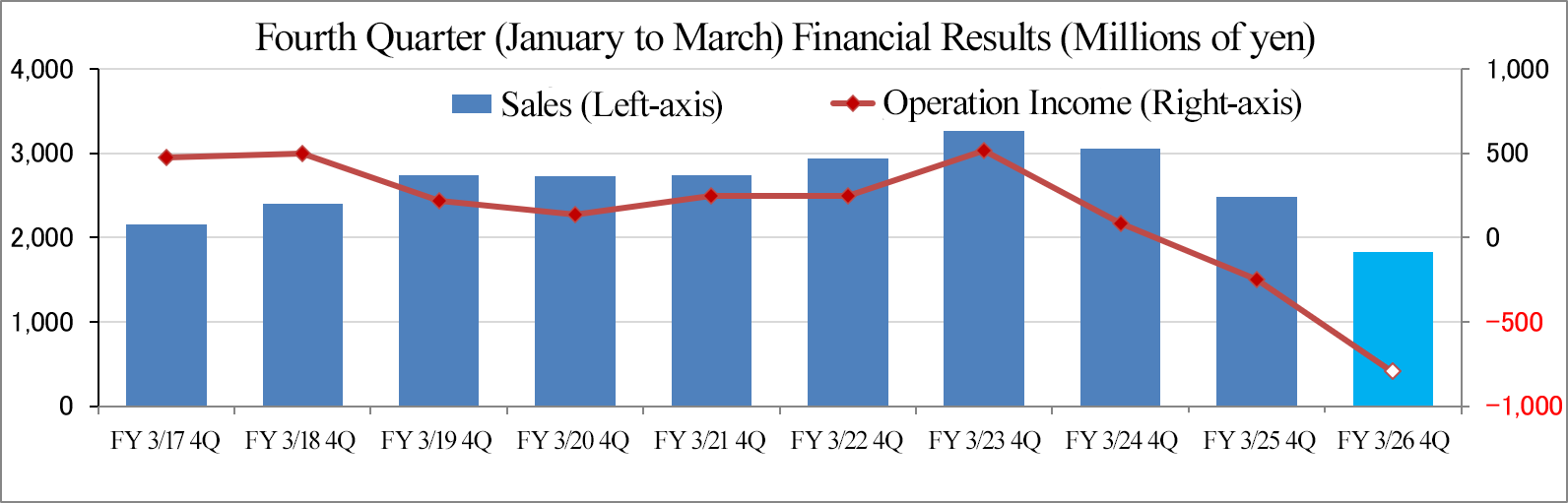
Unfortunately, the trend of decrease in revenue and profit continued in the fourth quarter (January to March) of the fiscal year ended March 2026.
(5) Financial Conditions and Cash Flow(CF)
Financial Conditions
| End of March 2025 | End of March 2026 |
| End of March 2025 | End of March 2026 |
Cash | 7,039 | 5,204 | ST Interest-Bearing Liabilities | 1,000 | 1,350 |
Receivables and contract assets | 2,774 | 1,738 | Advances received | 2,420 | 1,913 |
Advance payment | 841 | 559 | Deposits payable | 2,755 | 2,047 |
Current Assets | 11,627 | 8,335 | LT Interest-Bearing Liabilities | 1,327 | 900 |
Tangible Assets | 395 | 319 | Liabilities | 9,521 | 8,023 |
Intangible Assets | 3,239 | 2,246 | Net Assets | 7,253 | 3,976 |
Investments and Others | 1,512 | 1,098 | Total Liabilities and Net Assets | 16,775 | 11,999 |
Noncurrent Assets | 5,148 | 3,664 | Total Interest-Bearing Liabilities | 2,327 | 2,250 |
* Unit: million yen
* Interest-bearing liabilities=Borrowings + Lease Obligations
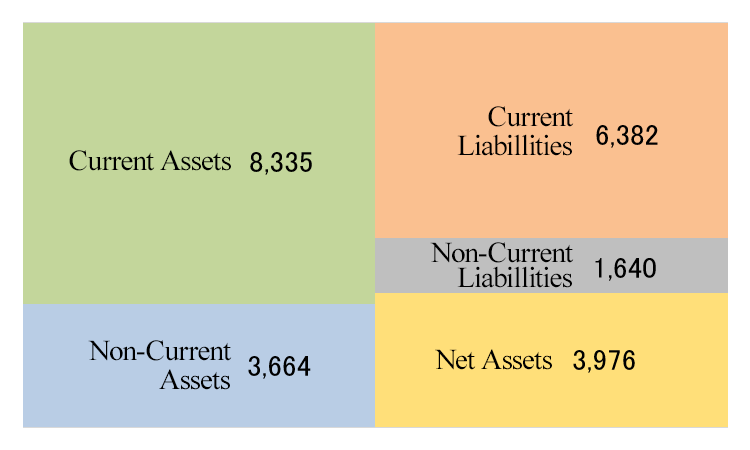
*Produced by Investment Bridge Co., Ltd. with reference to disclosed material.
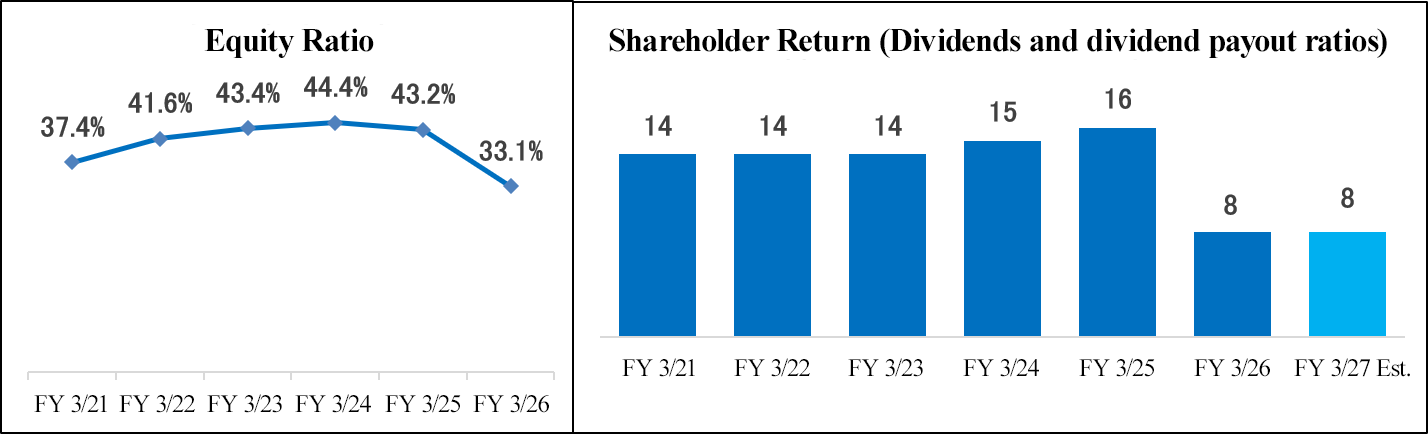
Total assets as of the end of March 2026 stood at 11,999 million yen, down 4,775 million yen from the end of the previous fiscal year. Major factor increasing assets is prepaid expenses, while factors in decreasing assets include cash and deposits, accounts receivable, goodwill, and deferred tax assets. Major factors in increasing liabilities and net assets are liabilities for short-term debts, retirement benefits, and exchange conversion adjustment accounts, while factors in decreasing liabilities and net assets include advances paid, deposits payable, long-term debts, and retained earnings. The equity ratio as of the end of March 2026 was 33.1%, down 10.1 percentage points from the end of the previous fiscal year.
Cash Flow |
|
|
| |
| FY3/25 | FY3/26 | YoY | |
Operating cash flow (A) | 595 | -1,611 | -2,206 | - |
Investing cash flow (B) | -45 | 87 | 132 | - |
Free cash flow (A+B) | 550 | -1,523 | -2,073 | - |
Financing cash flow | -939 | -513 | 425 | - |
Cash and Equivalentsat the end of period | 7,039 | 5,204 | -1,835 | -26.1% |
* Unit: million yen
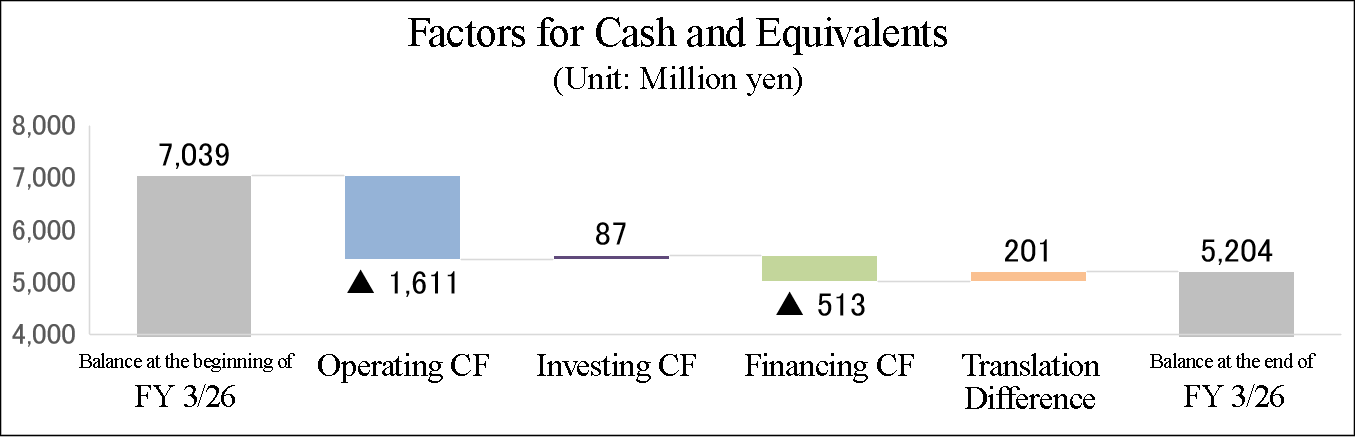
Regarding cash flows, a cash outflow from operating activities was posted due to the augmentation of net loss before taxes and other adjustments, decreases in advances received and deposits received, etc. Although cash flow from investing activities turned positive, mainly due to a decrease in expenditure on the acquisition of long-term prepaid expenses and the payment of guarantee deposits, the free cash flow, too, turned negative. The cash outflow from financial activities shrank, due to an increase in the repayment of short-term debts. As a result, the cash position as of the end of March 2026 was down 26.1% year on year.
(6) Recording of impairment lossIn the fiscal year ended March 2026, the group recorded impairment losses on the following asset groups.
① Summary of assets for which impairment losses have been recorded.
Location | Purpose | Type | Impairment Loss |
Japan | Business assets | Facilities attached to buildings, etc. | 159 million yen |
Europe | Other | Goodwill | 829 million yen |
② Circumstances leading to recognition of impairment lossWith regard to the asset group comprising the above assets, as the profit arising from operating activities has been consistently negative, the carrying amount has been reduced to the recoverable amount, and the resulting reduction has been recorded as an impairment loss.③ Method for grouping assetsThe corporate group carries out the asset grouping based on the management accounting classification used for the continuous monitoring of income and expenditure.④ Method for calculating recoverable amountThe recoverable amount of business assets in Japan is measured on the basis of value in use; however, as no future cash flows are anticipated, they are valued at a notional value. The recoverable amount of goodwill in Europe is measured on the basis of value in use and is calculated by discounting future cash flows at a discount rate of 13.0%.
4. Fiscal Year ending March 2027 Earnings Forecasts
(1) Consolidated results
| FY 3/26 Act. | Ratio to sales | FY 3/27 Est. | Ratio to sales | YoY |
Sales | 8,665 | 100.0% | 10,680 | 100.0% | +23.2% |
Operating income | -2,073 | -23.9% | 256 | 2.4% | - |
Ordinary income | -2,023 | -23.3% | 250 | 2.3% | - |
Profit attributable to owners of parent | -3,329 | -38.4% | 180 | 1.7% | - |
*Unit: million yen
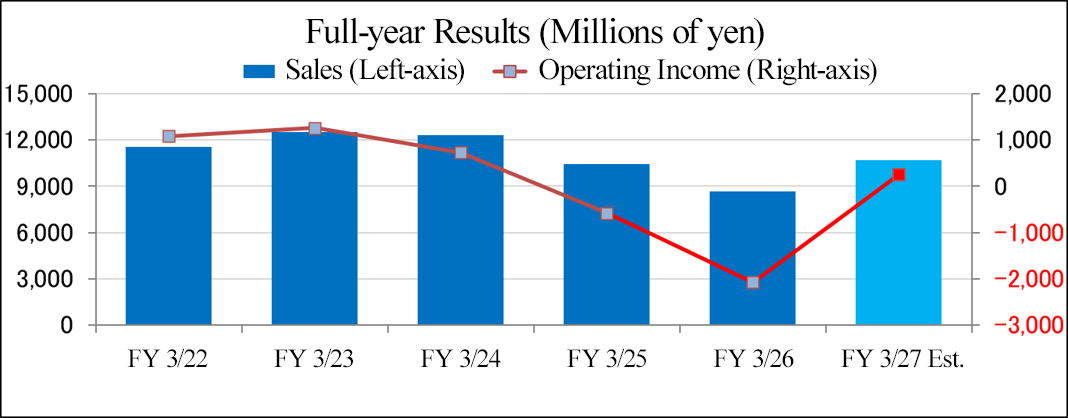
A 23.2% increase in revenue from the previous fiscal year, with an operating income of 256 million yen. (An operating loss of 2,073 million yen in the previous fiscal year)
Sales are expected to increase 23.2% year on year to 10,680 million yen, while operating income is projected to be 256 million yen (an operating loss of 2,073 million yen in the fiscal year ended March 2026).
The company anticipates an increase in sales and profitability, driven by the recovery in the U.S. and Europe and growth in Asia. Within the group, some of the several projects in the U.S. and Europe that had been delayed due to factors such as the U.S. government shutdown have resumed operations; furthermore, the remaining projects and recently secured projects are expected to commence operations one by one in the future. Furthermore, there are several large-scale projects currently under negotiation, mainly in the U.S.; if these orders are secured and progress smoothly, both sales and profit are expected to improve significantly in the second half of the fiscal year. On the other hand, as the first half of the fiscal year marks the start-up phase for several new projects, their contribution to order backlog and sales will be limited. Consequently, business performance is expected to remain challenging until contracts are concluded for the full-scale operational phase following these projects and they begin to make a substantial contribution to order backlog and sales. In particular, the first quarter is expected to see an operating loss like in the previous quarter. Although the company sought to lower its break-even point at the end of the previous fiscal year by implementing staff reductions in regions where there was no prospect of an improvement in utilization rate, it will continue to strive for improved performance by implementing measures to enhance staff utilization rate and strictly managing expenses.
The dividend is expected to be 8 yen/share, unchanged from the previous fiscal year.
(2) Dividend Policy
The company is also actively working to strengthen its financial base. In order to secure the financial resources necessary for investments to expand overseas operations, the company will ensure sustainable growth in earnings per share by increasing revenue through its growth strategy, maintaining high operating rates, and thoroughly managing costs. At the same time, the company aims to increase its current ratio and equity ratio, enable flexible financing, and strive to balance shareholder returns and securing funds for growth.
5. Conclusions
The company’s financial results for the year ended March 2026 were extremely challenging, with sales declining 17.0% year on year to 8,665 million yen and an operating loss of 2,073 million yen (an operating loss of 583 million yen in the previous fiscal year). Regarding sales, the delays in the commencement of major projects in the U.S. and Europe had a significant impact. Regarding profit, smaller sales in the U.S. and Europe also had an impact. In the fourth quarter (January–March), both sales and profit declined year on year; regrettably, there were no signs confirming whether the company's performance had bottomed out. Meanwhile, for the fiscal year ending March 2027, the company forecasts sales to increase 23.2% year on year to 10,680 million yen, and an operating profit of 256 million yen (an operating loss of 2,073 million yen in the fiscal year ended March 2026). Within the company's group, some of the multiple projects in Europe and the U.S.—whose commencement had been delayed due to factors such as the U.S. government shutdown—have now resumed operations; furthermore, the remaining projects and recently secured projects are expected to commence operations one by one in the future. In addition, there are several large-scale projects currently under negotiation, mainly in the U.S.; if these contracts are secured and progress smoothly, both sales and profit are expected to improve significantly in the second half of the fiscal year. On the other hand, in the first half of the fiscal year, the contribution to order backlog and sales remains limited as several new projects are in their start-up phase. Consequently, the company anticipates that financial performance will remain challenging until contracts for the subsequent full-scale operational phase are concluded and begin to make a substantial contribution to order backlog and sales. In particular, the company expects to incur an operating loss in the first quarter like in the previous quarter. Attention is focused on the extent to which the company will be able to prevent the decline in first-quarter performance.
Despite these challenging results, order backlog, a leading indicator of future performance, is showing signs of a turnaround. As of 22 May 2026, order backlog stood at 13 billion yen, up 10.9% from the end of the fiscal year ended March 2025. In the U.S., the company secured informal agreements for several large-scale international collaborative clinical trials involving the U.S., Europe and Australia; this increase from the end of the fiscal year ended March 2025 was driven by the formalization of contracts for some of these projects, the completion of contract amendments resulting in increased man-hours, and the finalization of contracts for new projects to be conducted primarily in the U.S. The company has received numerous inquiries regarding new projects, including global ones, and is continuing to strengthen its sales and proposal activities with a view to securing orders. Furthermore, in Europe, order backlog increased from the end of the fiscal year ended March 2025, driven not only by contract amendments to existing projects and the recognition of the European portion of the large-scale international collaborative clinical trial secured in the U.S. (as mentioned above), for which the contract has now been finalized, but also by the finalization of contracts for several new projects to be conducted mainly in Europe. Going forward, the company plans to expand the acquisition of projects including those in Europe—from U.S. companies through collaboration with its U.S. operations, while strengthening its sales activities in Europe. Attention is now focused on the extent to which order backlog, a leading indicator of performance, can be expanded in the coming period, with a view to a full-scale recovery in performance during the second half of the fiscal year.
<Reference: Regarding Corporate Governance>
◎ Organization type, and the composition of directors and auditors
Organization type | Company with an Audit & Supervisory Committee |
Directors who are not Audit Committee Members | 3 directors, including 2 outside ones |
Directors who are Audit Committee Members | 3 directors. All of them are outside directors |
◎ Corporate Governance Report
Last updated on June 30, 2026
<Basic Policy>
(1) Management Philosophy
Our management philosophy is “To promote the greater wellbeing of all our stakeholders — patients, business partners, shareholders, and employees — we strive constantly to offer professional, high-quality services to support all aspects of new drug development.” We aim to contribute to the development, evolution and diffusion of new therapeutic technologies including new pharmaceuticals, and ultimately to the healthy lives of human beings, by continuously developing and maintaining the knowledge and experience of our executives and employees, as well as the know-how and systems of our organization.
(2) Basic Approach on Corporate Governance
Based on the above management philosophy, our company will contribute to the birth and growth of new disease prevention and therapeutic technologies, including new pharmaceuticals, with our know-how and technologies in pharmaceutical development. As a partner of healthcare companies and medical institutions, including domestic and foreign bio-venture firms, pharmaceutical companies, and medical device manufacturers, our company will contribute to the development of healthcare and meet the expectations of patients and the entire society.
Since our business activities impact people's lives, our executives and employees are required to have high ethical standards as well as expertise. Thus, we thoroughly comply with the Corporate Code of Conduct, including strict compliance with laws. In addition, we strive to improve corporate value and business development by enhancing internal control and ensuring the soundness and transparency of management.
<Regarding the implementation of the principles of the corporate governance code>
Major principles for not implementing and the reasons
Principles | Reasons for not implementing the principles |
[Supplementary Principle 4-1 (2) Medium-term Management Plan] | The Medium-term Management Plan of the company is reviewed by the Management Board, with progress checked and analyzed at each meeting, reviewing the medium-term targets and policies as necessary and appropriate. The Board of Directors deliberates and approves the Medium-term Management Plan while receiving reports on progress and analysis results, while monitoring and supervising the plan. Our company is in the process of revising our medium-term management plan, and will also review the way to present and explain it in order to foster shared understanding with shareholders and investors. |
<Disclosure Based on the Principles of the Corporate Governance Code (Excerpts)>
Principles | Disclosure contents |
[Supplementary Principle 2-4 ① Ensuring Diversity, Including the Promotion of Employees to Senior Positions] [Supplementary Principle 3-1 ③ Sustainability Measures, etc.] | Our corporate group has defined our policy on sustainability based on our management philosophy and promotes sustainability-oriented business administration according to the policy. We have disclosed matters such as our initiatives on sustainability and policies on developing personnel and fostering the internal environment, including ensuring the diversity of human resources, under “2. Views and Initiatives on Sustainability” in our annual securities report. Our progress with the promotion of the diversity of our employees holding senior positions is as described below. When calculating each ratio, we in principle consider the personnel seconded among our group companies as the personnel who belong to the company to which each of them is seconded. ① Female employees Female employes holding managerial positions as of the end of March 2026 account for 54.0% across our corporate group and 37.3% in the headquarters in Japan alone. Some of our female employees taking up managerial positions have been seconded from the headquarters to our overseas group companies, which indicates that our female employees are seizing opportunities to demonstrate their leadership globally. We will increasingly propel forward the recruitment of female workers and the promotion of female employees to managerial positions, continuously recruit and promote female employees based not on their gender, but primarily on their capability, experience, expertise, and suitability with the aim of increasing the ratio of female employees holding managerial positions to over 50% (in Japan alone), and strive to help our female employees grow and play active roles by helping develop careers, fostering a workplace environment, and offering them diverse opportunities to work actively in workplaces including our group companies. ② Foreign nationals While our corporate group has a number of subsidies overseas and employs people of diverse nationalities who work for our corporate group in various countries and regions, we have not set any quantitative target at the moment regarding the recruitment of foreign nationals and the promotion of them to managerial positions. Taking into consideration the nature of our business operations, however, we recruit foreign nationals and promote them based heavily on their capability, experience, expertise, and strengths, not based on their nationality. ③ Mid-career hires Our company has not set any numerical target regarding mid-career hires because we believe that our company already has diverse perspectives and values in which different experiences, skills, and personal attributes are reflected, as demonstrated by such facts as that mid-career hires make up about 50% of all of our employees and over 60% of the employees holding managerial positions; however, we will continuously strive to secure personnel engaging in the continuous growth of our existing businesses and the execution of our growth strategies. |
[Principle 3-1: Enhancement of Information Disclosure] | (i) Our ideal state (including our management philosophy), management strategies and plans Our company has established the following as our management philosophy: “To consistently deliver professional-quality services at every stage of pharmaceutical development, and to pursue the happiness of our stakeholders, including pharmaceutical companies, medical institutions, patients, as well as shareholders and employees.” Based on this philosophy, our company aims to achieve sustainable growth and enhance corporate value over the medium/long term. We disclose our management strategies and other relevant matters in materials such as annual securities reports. (ii) Basic views and policies on corporate governance based on each principle of the Code Our basic approach to corporate governance is described in "1. Basic Approach" of this report. An overview of our corporate governance, including these views, is available on our website. (iii) Policies and procedures for determining the remuneration of senior management and directors The remuneration for our company’s directors is paid within the total amount approved through the resolution at a General Meeting of Shareholders. Policies for determining the remuneration for each director are resolved by the Board of Directors. With respect to the determination policies and procedures, the Board of Directors seeks advice from the Compensation Committee, which is composed of three or more members, a majority of whom are outside directors. Through deliberation and recommendations by this committee, objectivity, transparency, and fairness are ensured. *In the fiscal year ended March 2026, the Compensation Committee met a total of four times, with all members attending each meeting. Major agenda items included the deliberation of performance-linked remuneration amounts of directors and others consulted by the representative director, the revisions to the regulations for remuneration and bonuses for executives, and the deliberation of the remuneration amounts of respective directors and others. Details regarding executive remuneration are disclosed in our annual securities report under “4. Status of Corporate Governance (4) Remuneration of Executives.” (iv) Policies and procedures for the appointment and dismissal of the senior management and the nomination of director candidates by the Board of Directors (1) Policies and Procedures for Appointment and Dismissal With respect to the appointment and nomination of internal directors and executive officer candidates, our company appoints and nominates such individuals through the resolution of the Board of Directors based on the criteria set forth in items (a) and (b) below, after giving comprehensive consideration to whether the candidates possess the insight and integrity appropriate for the senior management, are capable of making accurate and prompt decisions, and have the requisite knowledge, experience, and abilities. In making such determinations, our company also takes into account the overall balance of the Board of Directors and the management team as a whole, including outside directors. Regarding reappointment, our company determines whether the individual has consistently achieved the expected performance and results, and resolves the matter of reappointment or non-reappointment through the resolution of the Board of Directors. ① With respect to the appointment and reappointment of candidates for outside directors who are not Audit and Supervisory Committee members, our company appoints and reappoints such candidates through the resolution of the Board of Directors based on the criteria and qualifications set forth in Principle 4-9. ② With respect to the appointment and reappointment of candidates for directors who are Audit and Supervisory Committee members, in addition to the criteria and qualifications set forth in Principle 4-9, at least one candidate is required to possess sufficient knowledge and experience in finance and accounting. Taking into consideration the balance of the Audit and Supervisory Committee so as to ensure the proper functioning of management oversight, such candidates are appointed and reappointed through the resolution of the Board of Directors after obtaining the consent of the Audit and Supervisory Committee. To enhance the objectivity, transparency, and fairness of the appointment and reappointment process, the Nomination Committee composed of three or more members, a majority of whom are outside directors, verifies and deliberates on candidates’ performance and results through interviews and other means, and submits its recommendations to the Board of Directors. The Board of Directors makes its resolutions based on these recommendations. *In the fiscal year ended March 2026, the Nomination Committee met a total of three times, with all members attending each meeting. The main agenda items included deliberations on the appointment and reappointment of executive directors, outside directors, executive officers (including chief officers [CXOs]), and our subsidiaries’ officers and the criteria for the independence of our outside directors. (2) Criteria for the Appointment and Dismissal of the President (CEO) The Board of Directors recognizes the appointment and dismissal of the Representative Director, President and Executive Officer (CEO) as one of its most important decision-making matters. Such decisions are made after comprehensive consideration of factors including the individual’s ability to respond to changes in the overall business environment, to formulate and proactively implement management strategies, and to contribute to the continuous improvement of business performance. These decisions are carried out through the process of deliberation and recommendation by the Nomination Committee. With respect to the development of successor candidates for the Representative Director, President and Executive Officer (CEO), our company is implementing measures such as knowledge-based training, planned job rotations, and overseas assignments. (v) Explanations of Individual Appointments, Dismissals, and Nominations When the Board of Directors Appoints or Dismisses Senior Management and Nominates Director Candidates Based on (iv) Above ① With respect to the appointment of director candidates (including candidates for directors who are Audit and Supervisory Committee members), our company discloses each candidate’s career history and the reasons for nomination in the Notice of Convocation of the General Meeting of Shareholders. In the event that a dismissal occurs, our company will make timely and appropriate disclosure. ② With respect to executive officers, including CXOs, any material changes such as dismissals are disclosed on our company’s website and through other appropriate means. |
[Principle 5-1: Policy for Constructive Dialogue with Shareholders] | Our company aims to achieve sustainable growth in corporate value, which is a common objective shared by both our company and our shareholders, through constructive dialogue with shareholders (including institutional and individual investors as potential shareholders). In order to strengthen accountability, our company continuously promotes enhanced information disclosure and works to facilitate dialogue with investors in Japan and overseas. Specifically, our company engages in ongoing, constructive, transparent, and fair dialogue regarding matters such as business performance, management strategy, capital policy, risks, and the corporate governance framework through the following initiatives. ① Dialogue with shareholders is overseen by the Executive Officer and CFO. Taking into consideration the purpose and expected effectiveness of meetings as well as the attributes of shareholders, our company determines the appropriate participants and methods of dialogue, primarily involving the senior management including the Representative Director, President and Executive Officer & CEO and the Executive Officer & CFO. ② Investor relations activities are led by the Finance Department and the Corporate Communications Office, which collect necessary information from relevant internal departments and enhance dialogue with shareholders through the preparation of clear and easy-to-understand materials and explanations. ③ In addition to the Annual General Meeting of Shareholders, financial results briefings, and briefings for individual investors, our company provides opportunities for dialogue through individual meetings with domestic and overseas institutional investors, disclosure of IR information on our company’s website (including information in English), and individual responses to inquiries from individual investors via telephone and email. Questions, requests, participant information from briefings, and survey results are reflected in IR activities. ④ Shareholder interests and concerns identified through dialogue are consolidated by the Executive Officer & CFO and utilized in management analysis and in reviewing our company’s approach to information disclosure. ⑤ In conducting IR activities and dialogue with shareholders, our company appropriately manages insider information in accordance with internal regulations. Our company has also established a quiet period during which it refrains from engaging in dialogue regarding financial results, from the day following the quarterly closing date until the announcement of the financial results. |
[Measures for achieving a business management conscious of cost of capital and share price] | Our company recorded consolidated operating losses in the fiscal years ended March 2025 and March 2026 due chiefly to cancellation and delay in some of the projects for which we received orders; however, in the fiscal year ending March 2027, we forecast a consolidated sales increase and a turnaround mainly because projects in the United States and Europe, which have been behind schedule, will get into full swing. In addition, aiming to make improvements, we will improve capital turnover and operating profit margin through the following policies and ensure a return on equity (ROE) that exceeds the cost of shareholder’s equity (*1) and a return on invested capital (ROIC) that is above the weighted average cost of capital (*2) after the fiscal year ending March 2028. We will strive for sustainable growth of our corporate value by pursuing these initiatives and consequently realize steady growth of Earnings per Share (EPS), which is our company’s business indicator, in order to enhance our shareholder return. Improvement of capital turnover ① Enhancement of earning powe We will continuously expand business transactions by increasing the number of partner companies mainly in the United States and Europe through enhancement of our international sales activities principally in the United States and Europe and forging harmonious relationships with multiple biopharmaceutical companies that possess innovative technology-based promising products under development. Furthermore, we will proactively propose services including pharmaceutical consulting, utilization of real-world evidence, and licensing support to customers so that we can efficiently use the human capital that we currently have and stably earn profit. ② Capital streamlining: While accounts receivable and advance payment can be collected quickly in late-stage clinical development projects entrusted by leading pharmaceutical companies, thorough credit management is essential because the ratio of American and European biopharmaceutical companies is rising among our company’s clients. In addition, we will endeavor to efficiently manage working capital by setting an amount of deposits to receive on advance payment, appropriately managing advances received for expenses arising from projects entrusted to us, and optimizing invoice issuance frequency and payment deadlines. Improvement of operating profit margin ① Provision of high added value: We will boost our sales efficiency while avoiding price competition by raising the quality of our proposals and services and adding high value (such as capabilities of the personnel who offer consulting services and those who control clinical trials in Japan, preparation of high-quality protocols, approval for clinical trial notifications in a short period of time, proposals for promoting facility selection and patient enrollment for swift collection of clinical cases, short-term data freezing, and introduction of licensing partners) through such initiatives as improvement of the education, procedure, and management systems and use of external resources and raising the number of candidate projects, the project acquisition rate, and the retention rate. ② Improvement of labor productivity: We will raise the number of projects assigned to each employee whose labor cost is recorded for cost of goods sold or manufactured (the number of protocols/the number of facilities that each of them is in charge of/the number of clinical cases, etc.) and increase gross profit margin per such employee through initiatives such as measures regarding Good Clinical Practice (GCP) Renovation, advancement in measures regarding Risk-Based Monitoring (RBM) and Decentralized Clinical Trial (DCT), AI-based improvement in operational efficiency, insourcing of high value-added tasks, and enhancement of operating rate. ③ Efficient operation of the organization: We will analyze operating rate and profitability by region and task and take thorough measures including negotiations on contract revision and change to staffing. We will streamline sales and administrative operations by covering multiple countries while taking into account such matters as languages, time differences, and cost-effectiveness. *1: Cost of shareholder’s equity: 6.65% (monthly 5-year beta (β) 0.704 × market risk premium 6.0% + 10-year government bond yield 2.429%; as of the end of March 2026) *2: Weighted average cost of capital (WACC): 4.94% (calculated based on the aforementioned cost of shareholder’s equity and cost of debt; as of the end of March 2026) |
This report is not intended for soliciting or promoting investment activities or offering any advice on investment or the like, but for providing information only. The information included in this report was taken from sources considered reliable by our company. Our company will not guarantee the accuracy, integrity, or appropriateness of information or opinions in this report. Our company will not assume any responsibility for expenses, damages or the like arising out of the use of this report or information obtained from this report. All kinds of rights related to this report belong to Investment Bridge Co., Ltd. The contents, etc. of this report may be revised without notice. Please make an investment decision on your own judgment. Copyright(C) Investment Bridge Co., Ltd. All Rights Reserved. |